Headquarters: 535 Pine Street, Central Falls, RI 02863
Call Us: 401-274-0111
Weatherization makes homes warmer in winter, cooler in summer, and less costly to run. For Rhode Island families, that means sealing air leaks, adding insulation, and upgrading old windows or HVAC systems. Many older homes in the state waste energy through drafty walls and basements, but both DIY fixes (like draft stoppers or window film) and professional upgrades can help.
Local programs, such as the Weatherization Assistance Program (WAP), the Rhode Island Energy Efficiency Program, and LIHEAP, offer rebates or free services to qualified households. Homeowners and renters are eligible to apply, and working with certified contractors offers long-lasting comfort and savings.
With the help of professional weatherization installers and support from state programs, individuals gain long-term comfort, lower bills, and peace of mind during emergencies.
Rhode Island homes face a tough combination of coastal storms, damp winters, and humid summers. These conditions take a toll on houses year after year, weakening siding, windows, and insulation. Without upgrades, families experience drafts, higher energy bills, and even health problems related to poor indoor air quality. A professional home energy assessment gives you a clear picture of where your home is losing efficiency and what improvements will make the biggest difference. Weatherization tackles these challenges head-on by sealing leaks, strengthening insulation, and balancing ventilation.
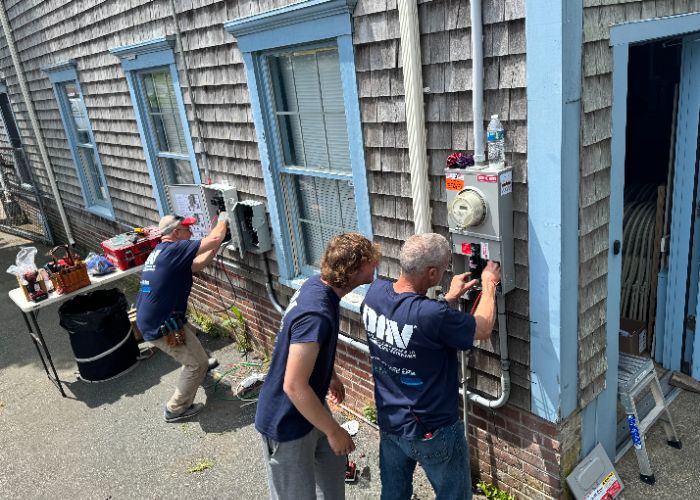
Living by the ocean brings salt air, high winds, and sudden storms. These elements accelerate wear on homes and create unique energy challenges. Salt breaks down exterior materials, wind forces cold air indoors, and storm moisture increases the risk of mold. Families pay the price in higher heating and cooling costs if these problems go unaddressed.
Many Rhode Island homes date back more than a century, built in an era before energy efficiency was a priority. Their single-pane windows, thin walls, and uninsulated attics let valuable heat slip away in winter and trap humidity in summer. As a result, heating systems burn through more fuel, and cooling units work overtime, leading to higher energy bills.
Weatherization improvements are an investment, but Rhode Island offers programs that make them affordable. From federal initiatives to utility rebates, residents have access to support that lowers costs. These programs provide services like insulation, air sealing, and energy audits at free or reduced rates.
The Weatherization Assistance Program is a federally funded initiative designed to help low-income households reduce energy waste. Eligible families receive free services such as insulation upgrades, air sealing, and energy audits. Certified contractors handle the work, giving homeowners confidence that improvements meet safety and quality standards.
Local utilities support this program and offer rebates for weatherization projects. Homeowners who install insulation, upgrade HVAC systems, or purchase efficient appliances receive financial support. Families also receive free lighting kits and energy tips to use immediately. Check out more Rhode Island Energy programs.
The Low-Income Home Energy Assistance Program (LIHEAP) helps families cover heating bills while connecting them with weatherization services. Priority is often given to seniors, families with children, and people with disabilities.
Utility companies across Rhode Island reward households that reduce energy use. Rebates cover insulation, smart thermostats, duct sealing, and efficient appliances. Many programs also provide starter kits with simple products like draft stoppers and LED bulbs.
Not every household automatically qualifies for assistance. Rhode Island weatherization programs base eligibility on factors such as income, residency, and household needs. Both homeowners and renters can apply, but some programs require landlord approval for major upgrades.

Knowing the criteria ahead of time helps families apply successfully. Once approved, they gain access to upgrades that make their homes safer and more efficient.
Eligibility is tied to federal income guidelines. Families must meet Low-Income Home Energy Assistance Program thresholds to qualify. Larger households may qualify at higher income levels, making support accessible to many Rhode Island residents.
By linking eligibility to income, programs direct resources to families who need them most. This approach helps reduce energy burdens on vulnerable households and provides long-term stability.
Both property owners and tenants benefit from weatherization services. Homeowners apply directly, while renters may need landlord approval for structural upgrades. Programs encourage cooperation between landlords and tenants so both parties benefit from improved efficiency.
Renters gain comfort and lower energy bills, while landlords increase property value. By working together, both groups create a safer, more affordable home.
Programs often give preference to vulnerable groups. Seniors, families with children, and people with disabilities receive faster service to protect their health during extreme weather.
This focus ensures that people most at risk during power outages or temperature swings are protected. Weatherization creates safer homes for those who need support the most.
Applicants must be Rhode Island residents and apply for weatherization in their primary home. Properties in unsafe condition may require repairs before upgrades can be completed.
By limiting eligibility to local residents and safe structures, programs make certain that resources are spent effectively. Families who qualify benefit from targeted improvements that provide immediate results.

Weatherization is a complete package of upgrades designed to stop energy loss and improve comfort. Professional installers examine the home and recommend services tailored to its weaknesses. Improvements address insulation, HVAC, ventilation, windows, and more.
Working with certified installers means upgrades meet quality standards. Families receive professional services that deliver both comfort and savings for years to come.
Insulation is one of the most effective ways to improve efficiency. Attic insulation stops heat from escaping upward, wall insulation stabilizes indoor temperatures, and basement insulation prevents cold air from spreading.
Together, these upgrades create a comfortable indoor environment. They also reduce the strain on heating and cooling systems, which lowers energy bills and extends equipment life.
Leaks around windows, doors, and ducts allow valuable air to escape. Air sealing blocks these leaks, while ductwork repairs keep airflow steady.
By reducing leaks, families enjoy consistent temperatures in every room. Sealing also helps reduce allergens, dust, and outdoor pollutants that enter through gaps.
Outdated HVAC systems consume more fuel and deliver less comfort. Modern systems heat and cool efficiently, reducing costs and improving safety.
Ventilation upgrades balance airflow, preventing moisture buildup that leads to mold. With proper ventilation, homes stay healthier and safer.
Old windows and doors are often the biggest sources of drafts. Replacements add insulation and create a tighter seal.
Families notice the difference quickly—rooms stay warmer in winter and cooler in summer. New windows and doors also add curb appeal and property value.
 Weatherization provides more than financial relief. Families experience better comfort, improved health, and increased property value. These upgrades protect homes from harsh weather and give peace of mind year-round.
Benefits extend beyond individual households. Weatherization also reduces statewide energy demand, creating a cleaner and more sustainable future for Rhode Island.
Upgrades cut heating and cooling costs while making homes more livable. Families notice immediate relief from drafts and more consistent indoor temperatures.
Weatherization improves ventilation, balances airflow, and reduces dampness. Cleaner, drier air makes homes healthier for children, seniors, and people with respiratory issues.
Moisture creates a breeding ground for mold. By sealing leaks and improving ventilation, weatherization reduces this risk. Healthier air leads to safer living conditions and fewer health concerns.
Energy efficiency is a major selling point for buyers. Homes with weatherization upgrades attract more interest and command higher prices on the market.
Weatherization follows a step-by-step approach that makes the project manageable. Families begin with an energy audit, followed by targeted upgrades, and finish with testing to confirm results.
Understanding the process builds confidence and helps homeowners prepare for project timelines. Each stage is designed to create a stronger, more comfortable, and energy-efficient home.
Getting started with weatherization is simple when families break it into steps. Checking eligibility, applying DIY fixes, and scheduling a professional audit build momentum.
Following this process helps families stay comfortable in every season while reducing energy waste.
Families should review income and residency requirements for Rhode Island’s weatherization programs. Applying early speeds up access to upgrades.
Simple fixes like draft stoppers and plastic window film provide temporary comfort. These quick steps make a noticeable difference in daily living.
Weatherization does not always require large investments. Homeowners can start with simple DIY fixes that improve comfort while they wait for bigger projects. Over time, professional upgrades deliver larger savings and more reliable results.
Balancing DIY steps with professional services helps families stretch their budgets while still improving their homes.
Homeowners can make small changes right away. Draft stoppers, plastic window film, and door sweeps all provide quick relief from cold air.
These steps reduce energy loss temporarily and make living spaces more comfortable. They are especially helpful during emergencies when professional crews are not immediately available.
Certified weatherization services address deeper problems that DIY cannot. From insulation to HVAC upgrades, professional work has a long-term impact.
Working with experts also provides access to rebates and state programs, making upgrades more affordable overall.
Some projects go beyond what a homeowner can do safely. Large insulation jobs, HVAC replacements, and energy audits require trained professionals.
Calling an expert at the right time prevents costly mistakes and delivers lasting results.
Professional guidance is the key to successful weatherization. Experts know how to prioritize improvements, choose the right materials, and apply for rebates. Their knowledge makes projects more effective and less stressful.

At United Better Homes, we provide expert weatherization services tailored to Rhode Island families. Our team handles every step, from detailed energy audits to professional insulation and HVAC upgrades. With years of experience, we help people cut energy costs and enjoy year-round comfort.
Weatherization gives Rhode Island families comfort, savings, and security throughout the year. From icy winters to humid summers, upgrades protect homes from weather extremes. Families save money, breathe cleaner air, and enjoy stronger property values.
United Better Homes delivers expert weatherization services with reliable products, professional crews, and helpful resources. By working with their team, families gain peace of mind knowing their home is ready for every season. Contact us today!
